People use "mold testing" and "mold inspection" like they mean the same thing. They don't — and mixing them up leads to spending money on the wrong service, or worse, not getting the information you actually need.
A mold inspection is visual
During a home inspection, we look for visible mold growth, water staining, musty odors, and conditions that promote mold — elevated moisture, inadequate ventilation, past leaks. If we see something that looks like mold, we can note it and recommend further evaluation. But a visual inspection can't tell you what species of mold is present, whether it's active, or whether there's mold growing behind walls or in areas that aren't accessible.
Mold testing goes further
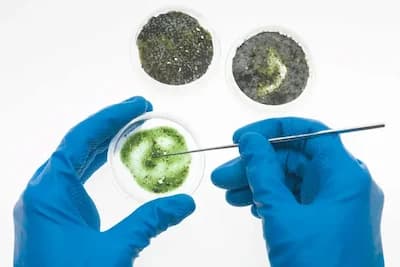
Air sampling and surface swab testing send collected samples to an accredited lab. The lab report tells you the species present, the spore count in the air, and how that compares to outdoor baseline levels. This is the part that matters for health decisions and for documentation during a real estate transaction. Lenders, attorneys, and remediators all work from lab results — not from a visual walk-through.
Why this matters in coastal Virginia
This region has high ambient humidity for a significant part of the year. Mold spores are always present in the air — outside and in. What the lab report shows is whether the indoor concentration is elevated above what you'd expect given outdoor conditions. An elevated indoor reading, especially of certain species, is meaningful. A mold company that just tells you "there's mold" without lab results isn't giving you data you can act on.
When to get testing (not just a visual check)
If you smell something musty but can't find a visible source. If someone in the household has unexplained allergy symptoms. If there's been a water intrusion event — a leak, flood, or prolonged moisture problem — and you want documentation of the current air quality. If you're buying a home and found evidence of past water damage. These are the cases where testing gives you something a visual inspection can't.
What we collect and where it goes
We collect air samples from areas of concern plus an outdoor control sample. Swab samples are taken from visible growth or stained surfaces. Everything goes to an accredited lab, and results typically come back within a few business days. The report is yours — you take it to a remediator, your doctor, your agent, or wherever the situation calls for.
Bottom line
A visual check tells you what we can see. Lab testing tells you what's in the air. If you're concerned about mold, you need both — but they're two different things. When in doubt, ask what exactly is included before you book any service.