Quick Answer: A brand new home still needs an inspection. Builders work fast, crews change between trades, and the city inspector who signs off is checking code, not workmanship. A new construction inspection finds the missed details while the builder is still on the hook to fix them. New does not mean perfect, and I find issues on new homes all the time.
People are surprised when I recommend an inspection on a house that was finished last month. The thinking is understandable. It's new, it passed the municipal inspection, the builder has a warranty. So why pay me to look?
Because I've inspected a lot of new homes in Virginia Beach, Chesapeake, and the newer subdivisions out toward Suffolk, and "new" tells you the house is young, not that it was built carefully.
Why new homes have problems
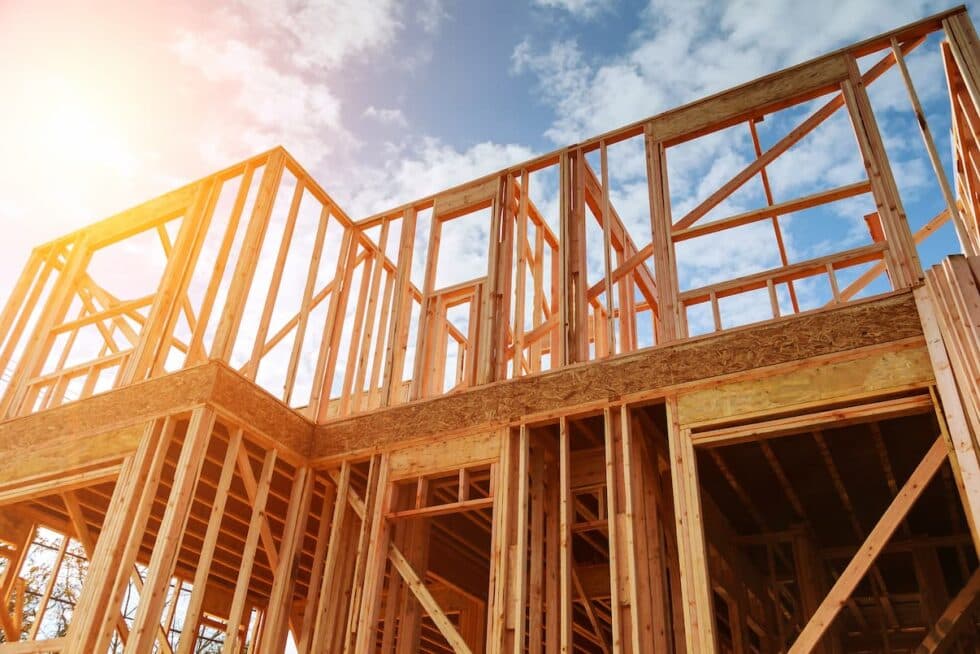
A house gets built by a lot of different hands. Framers, roofers, plumbers, electricians, HVAC crews, drywall, paint. They work on a schedule, often under pressure, and they don't always see what the crew before them did. A vent that should connect to the outside gets buried in the attic. A bathroom fan dumps into the soffit instead of through the roof. Flashing gets skipped behind the siding.
None of that fails a code inspection, because the municipal inspector is checking specific code items at specific stages, fast, on a lot of houses. They're not crawling the attic to confirm every duct is connected. That's not their job. It's mine.
What I find on new homes
Attic and ventilation
Disconnected or crushed ducts, bath fans venting into the attic, insulation that's thin or missing in spots, and improper roof ventilation. The attic is where rushed work hides.
Roof and flashing
Missing or poorly set flashing, exposed nails, and shingles that weren't installed cleanly. Small now, a leak later.
Plumbing
Slow drains, fixtures that weren't sealed, water heaters set up incorrectly, and the occasional supply line that drips behind a wall. I run water everywhere and watch what happens.
Electrical
Open grounds, reversed polarity, missing GFCI or AFCI protection, and breakers that don't match what they're protecting. Common, and easy to fix while the builder still owns the problem.
Grading and drainage
This is a big one on new lots. Fresh grading settles, and I often find the soil sloping toward the foundation instead of away from it. In our climate, that sends water exactly where you don't want it. New downspouts that dump right at the foundation make it worse. On a recently built lot, the landscaping is young and the soil hasn't found its level yet, so drainage is one of the first things I check and one of the most common things I flag.
Timing matters: use your warranty
Most builders offer a one-year warranty on workmanship. The smart move is two inspections. Get one before you close, so issues get fixed before you take ownership. Then get an eleven-month inspection, just before that first-year warranty expires, so anything that showed up in the first year gets documented and repaired on the builder's dime.
That eleven-month inspection is one of the most valuable checkups you can buy on a new home. Settling, seasonal movement, and early failures tend to surface in that first year. Catch them at month eleven and the builder fixes them. Find them at month thirteen and they're yours.
Frequently asked questions
The city already inspected it. Why pay for another one?
The municipal inspection confirms the home meets code at certain stages. It doesn't check workmanship throughout, and it isn't done on your behalf. A private inspection looks at the whole home with your interests in mind.
When should I schedule a new construction inspection?
Ideally before closing, and again at about eleven months, just before the builder's one-year warranty ends.
Will the builder let an inspector in?
Most reputable builders in Hampton Roads are fine with it. A builder who resists an inspection is telling you something worth noticing.
Do new homes really have that many issues?
Most findings are minor and very fixable, but I rarely inspect a new home with zero items. The point is to get them fixed while someone else is responsible.
Related reading
- Pre-Purchase Home Inspection Checklist for Virginia Beach Buyers
- What Home Inspectors Find Most Often in Virginia Beach Homes
Building or buying new in Hampton Roads?
A new home deserves a clean bill of health, and the only way to know it's healthy is to look. I'll inspect it before you close and again before your warranty runs out, and I'll tell you exactly what to send back to the builder.
Call InspectRx at +1-757-717-1747 or email Office@inspectrx.org. We inspect new construction across Virginia Beach, Chesapeake, Suffolk, and all of Hampton Roads and Northeastern North Carolina.