
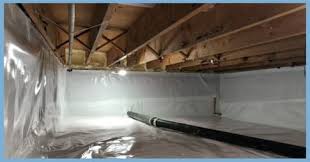
Quick Answer: The crawl space is where most of the trouble starts in a Hampton Roads home. Our humidity and high water table push moisture into that space, and moisture brings wood rot, mold, and pests. A crawl space inspection finds those problems early, while they're still cheap to fix, before they work their way into your floors and air.
If I could point a flashlight at one part of the house and tell buyers "this is the part that decides how much you'll spend over the next ten years," it would be the crawl space. I open a lot of hatches in Virginia Beach, Norfolk, and Chesapeake, and the crawl space tells the real story of the home.
Why crawl spaces struggle here
Hampton Roads is low, flat, and close to the water. The water table sits high, the summers are humid for months, and a vented dirt crawl space pulls that damp outdoor air right in. Warm humid air hits cooler surfaces under the floor and condenses. Now you've got moisture sitting on wood, insulation, and ductwork with nowhere to go.
That's the engine behind almost every crawl space problem I find. Control the moisture and most of the other issues never start.
What I look for in a crawl space
Standing water and drainage
After a wet stretch, I find crawl spaces with actual puddles. Sometimes it's grading outside pushing water under the house, sometimes it's a plumbing leak, sometimes it's groundwater. I note where the water is and try to trace where it's coming from.
Wood moisture and rot
I take moisture readings on the framing, the subfloor, and the support posts. Elevated readings over time soften wood and feed fungal growth. Soft joists and a spongy floor upstairs usually trace back to years of crawl space moisture nobody addressed.
Mold and fungal growth
Damp wood and still air grow mold. I document what I see, but a visual check has limits. It can't tell you the species or whether it's active. When it matters, I recommend testing, which sends samples to an accredited lab. That's a different service from a visual inspection, and the difference is worth understanding.
Insulation and vapor barrier
Fallen, wet, or moldy insulation is a common find. So is a missing or torn vapor barrier on the dirt floor. A good barrier keeps ground moisture from evaporating up into the space.
Pests
Moisture and pests travel together. I look for termite mud tubes, carpenter ant activity, droppings, and the damage they leave. A wet crawl space is an open invitation. Termites in particular love the soft, damp wood our climate produces.
Vented, encapsulated, or somewhere in between
A lot of older Hampton Roads homes have an open, vented dirt crawl space. The original idea was that vents would dry the space out. In our humid climate, those vents often let damp air in instead.
Encapsulation seals the space with a heavy liner on the floor and walls, closes the vents, and adds a dehumidifier to hold humidity down. When it's done right, it's the single best thing you can do for a crawl space in this region. A clean, sealed, dry crawl space is a great sign during an inspection. A wet, open one is a project you'll want priced before you close.
What it costs you to ignore it
Crawl space moisture rarely stays in the crawl space. It rots the subfloor, warps hardwood, feeds mold that affects the air you breathe upstairs, and draws pests that do their own damage. A few hundred dollars of drainage and a vapor barrier early can prevent many thousands in floor and framing repair later. I've seen both ends of that, and the early fixers always come out ahead.
Frequently asked questions
How do I know if my crawl space has a moisture problem?
Common signs are a musty smell inside the house, cupping or soft spots in the floors, condensation on ductwork, and high humidity readings. An inspection confirms what's actually happening down there.
Is crawl space mold dangerous?
It can affect indoor air quality and anyone with allergies or breathing issues. A visual inspection notes visible growth, and lab testing tells you the species and how much is in the air.
Should I encapsulate my crawl space in Virginia Beach?
For many homes here, encapsulation pays off because of our humidity. An inspection helps you decide whether your space is a good candidate.
Does a standard home inspection include the crawl space?
Yes, an accessible crawl space is part of a standard inspection. Testing for mold and a separate pest inspection are add-on services.
Related reading
- Mold Testing vs. Mold Inspection: What's the Difference?
- What Home Inspectors Find Most Often in Virginia Beach Homes
- Pre-Purchase Home Inspection Checklist for Virginia Beach Buyers
Worried about what's under your floor?
The crawl space is the easiest place to catch a problem early and the easiest place to ignore until it's expensive. I'll go down there, take real readings, and tell you in plain language what I find and what it means.
Call InspectRx at +1-757-717-1747 or email Office@inspectrx.org. We inspect crawl spaces across Hampton Roads and Northeastern North Carolina, and we'd rather help you catch the small stuff before it becomes the big stuff.